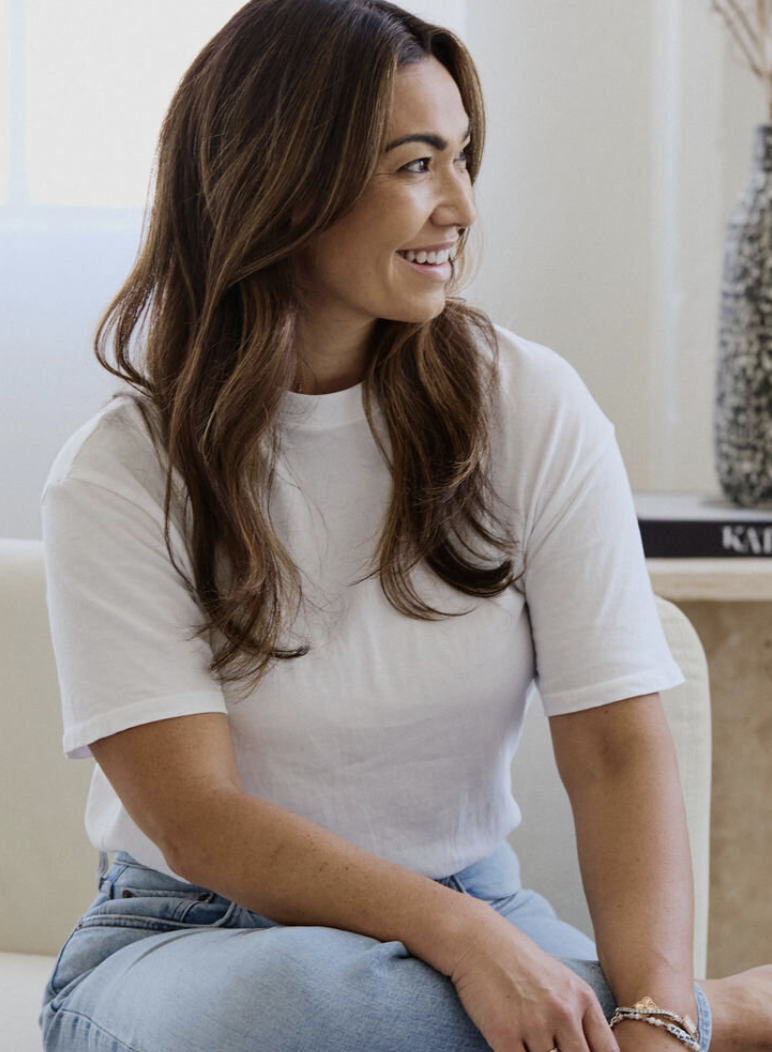


Hey everyone! Today on the Friday Society Podcast, I hosted Danielle Snead Blanton, Owner of DSB Legal. She is an incredible attorney for entrepreneurs and specializes in the Health + Wellness industry.
Danielle is a member of The Friday Society Membership and is not only an incredible attorney and business owner, but a genuine friend. I respect her legal advice so much and she has helped me out in my own business. On the podcast we discussed topics such as if you should hire an employee vs contractor, pay raises for employees, are non-competes valid, and so much more!
This episode is a must listen no matter if you are a fitness employee or studio owner this will be applicable to you! Scroll all the way down to go ahead and listen!
Why Legal Advice Matters More Than You Think
I’ll be honest, the legal side of my business is one of those things I really don’t enjoy. I’ve known from the very beginning that this is something I need to outsource to a professional.
It always felt overwhelming and confusing, and if I’m being real, not that urgent. But as I started building a business as a marketing consultant, I realized pretty quickly that protecting what you’re creating actually matters a lot more than you think.
In this episode, I sat down with Danielle Snead Blanton, an attorney who specializes in legal advice for the wellness and fitness industry, and it completely shifted my perspective. Instead of feeling intimidating, she made the whole conversation feel approachable, practical, and honestly, empowering.
But don’t get me wrong, I’m still going to outsource trademarks and legal documents to her.
Meet Danielle Snead Blanton of DSB Legal
Danielle works specifically with entrepreneurs in the fitness and wellness space, which makes such a difference. She understands that we’re not just running traditional businesses, we’re holding space for people, building communities, and often working in areas that don’t always fit into clear-cut categories.
Whether you’re a pilates, strength, cycle, yoga studio or building a wellness brand, the kind of legal advice for the wellness industry she offers is tailored to how we actually operate. That alone makes her approach feel more aligned and a lot more helpful.
What studio owners need to consider in their lease agreements or when hiring employees is a lot different than a bank, for example.
The Biggest Legal Mistakes in the Fitness Industry
One of the first things we talked about was the most common mistakes people make, and I definitely saw myself in this.
A big one is simply waiting too long to hire an attorney. So many of us start from passion and creativity. Not to mention a tight bootstrapped budget. We’re excited, we’re helping people, and legal protection feels like something we’ll get to eventually. But Danielle explained that this early stage is actually when you’re most vulnerable.
Without the right structure in place, you’re leaving yourself open to risk. In industries like fitness and wellness, where you’re working closely with people’s bodies and health, having proper legal advice for the fitness industry is even more important than most people realize.
Contracts Are Not Optional
If there was one thing that really stuck with me, it’s that contracts are not optional.
I used to think contracts were only necessary for bigger businesses or more complicated situations, but Danielle explained that if you’re working with clients in any capacity, you need one. It doesn’t matter if you’re offering coaching, selling a program, or running classes, having a contract in place protects both you and the person you’re working with.
And not just any contract, but one that’s actually written for your business. This is where working with someone who specializes in the industry, like Danielle, becomes so important, because generic templates, or ChatGPT, don’t always cover what you actually need.
Do I Hire Employees or Independent Contractors?
There are pro’s and con’s to hiring employees or independent contractors. Danielle discussed the legal parameters around what we can require of IC’s versus employees and I was shocked!
For example, did you know that you cannot ask IC’s to structure their class a certain way? Technically from a legal standpoint, they can teach however they like. I know hiring IC’s is very popular in the fitness industry but this might not be the best way to structure hiring. This is a must listen to understand what you can, and cannot do.
Are Non-Competes Valid in the Fitness Industry?
The short answer is NO! If you do put a non-compete in your contracts, there is a probability that the entire contract could get thrown out if you ever went to court. There are ways you can structure your agreements to keep you protected though.
Instead of putting in a non-compete clause you can instead structure a legally sound non-solicitation. You need to ensure that just because you are handing your client list over to your instructors that they cannot run with it if they were to open their own studio. This is so incredibly important because most instructors move around a lot. Ensure you are protected with the right agreements!
Making Legal Feel Less Intimidating
One of my favorite parts of this conversation was how approachable Danielle made everything feel.
Yes, the legal side of your business can feel daunting and that’s why it’s so important to outsource this. ChatGPT and AI can offer templates but can you really believe that they will fully protect you? Probably not.
Legal doesn’t have to be overwhelming. It doesn’t have to be something you avoid. It can actually be a supportive part of your business when you break it down into simple steps. Yes, it can be costly but it’s one of those things you have you consider – do you pay a little now or a lot more later?
Even starting small with a contract, a disclaimer, or basic website policies can make a huge difference. It’s not about doing everything at once, it’s about starting somewhere.
Final Thoughts
If you’re building a business in the fitness or wellness space, this is one of those conversations that’s really worth your time. Legal protection isn’t just about avoiding worst-case scenarios. It’s about creating a foundation that allows your business to grow in a way that feels safe and sustainable.
After talking with Danielle Snead Blanton, I’m looking at this whole side of business in a completely different way. Not as something overwhelming or optional, but as something that actually supports the work I care about.
Listen to the Full Episode
If you want to hear the full conversation and learn more about legal advice for the fitness and wellness industry, I definitely recommend listening to this episode.
It’s one of those conversations that leaves you feeling clearer, more confident, and honestly, a lot less intimidated by the legal side of things.
Check out Danielle Snead Blanton on Instagram HERE.
Check out DSB Legal HERE.


Be the first to comment